

Research
How can we outsmart resistance with think-ahead multi-step treatments?
Can antibiotic resistance be reversed?
Can AI-scientists lead groundbreaking discoveries?

AI science

Closing the loop between AI-driven scientific reasoning, experimentation, and discovery.
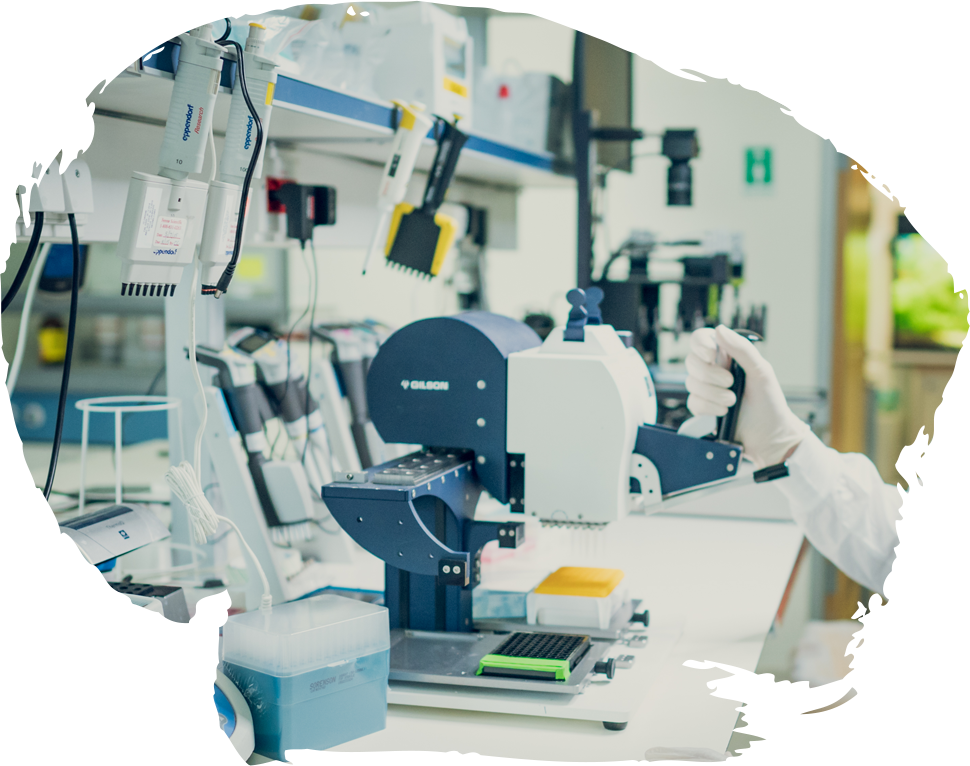
We develop AI-driven platforms that integrate scientific reasoning with automated experimentation, using microbial evolution and ecology as a model system. Indeed, microbial evolution and ecology provide a set of key open questions and are ideal for high-throughput, systematic experimentation with fast turnaround. Combining literature mining, machine learning, AI-driven robotic automation, and iterative data analysis, we build systems that continuously generate hypotheses, perform experiments, learn from the results, and refine the next generation of experiments. This closed-loop approach enables a new paradigm of autonomous scientific discovery.

Digital Health

From big-data and machine-learning to personalized antibiotic treatment
Antibiotic drugs save lives, but resistance undermines their effectiveness. In the clinic, physicians face the challenge of prescribing the most effective antibiotic drug under uncertainty. Unique availability of millions of electronic health records and pathogen genomes now allows us to build machine-learning diagnostics that predict current and future resistance profiles and recommend optimized, personally-tailored, think-ahead treatments. Algorithmic approaches we developed have been implemented at point of care. Future direction now brings reinforcement-learning to create strategies that think ahead, optimizing a series of treatments by calculating future possible clinical event paths.

Ecology, Evolution and Genomics
From genomic evolution to species interactions and community dynamics
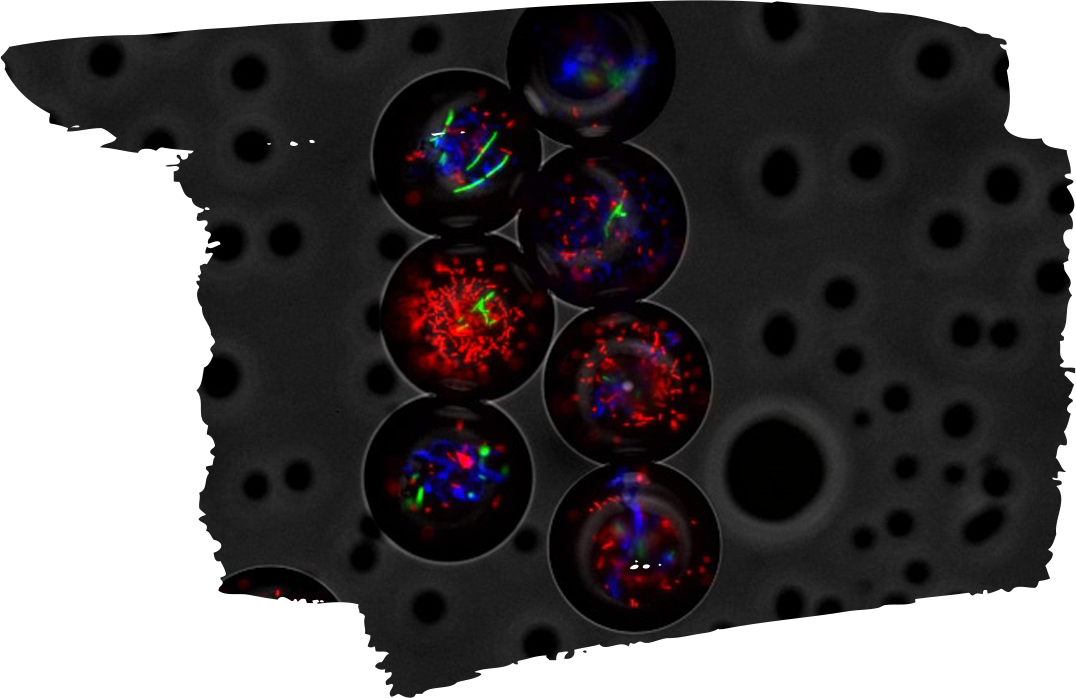
Microbial communities are shaped by a continuous interplay between genomic evolution and ecological interactions. We study how bacteria adapt to diverse environments, interact with one another, and evolve under selective pressures such as antibiotics, competition, and host environments. By combining genomics with laboratory evolution and experimental ecology, we uncover the genetic and ecological principles governing microbial adaptation- from mutations and rearrangements within individual genomes to the dynamics and stability of complex communities. These insights lay the foundation for predicting and ultimately steering microbial evolution.